What is Reverb?
Understanding the Basics
When people begin learning about music production, one of the first effects they hear about is reverb. At its core, reverb describes the reflections of sound that occur when audio bounces around a physical space. If you clap your hands in a small room, the sound fades quickly. But if you clap inside a large hall or church, the sound lingers and spreads through the space.
In audio production, reverb simulates the way sound reflects from surfaces like walls and ceilings. Instead of hearing only the original sound source, listeners hear many reflections arriving fractions of a second later. These reflections blend together and create depth and atmosphere. Without reverb, many recordings would feel dry or unnatural because our ears expect sound to exist inside some environment.
Even subtle reverb can change how a track feels emotionally. A completely dry vocal might sound direct and close, while a small amount of space can make the same voice feel smoother and more immersive.
How the Effect Works
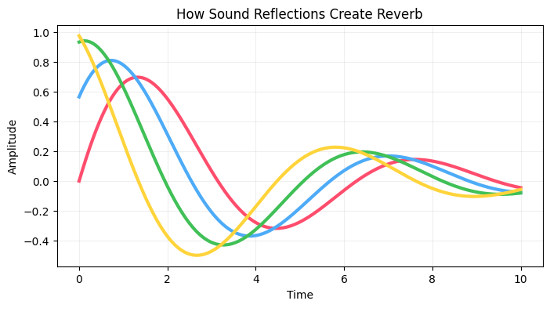
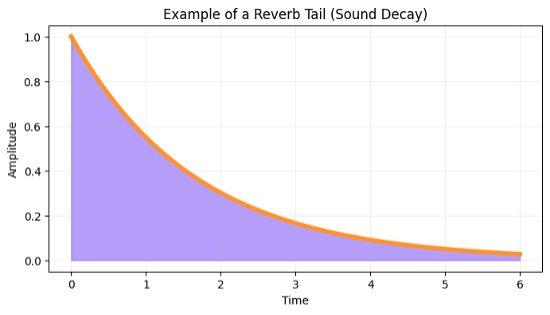
To understand reverb more clearly, imagine clapping your hands in a concert hall. The first sound you hear is the direct clap. Immediately afterward the sound waves bounce around the room, reflecting off different surfaces. These reflections slowly fade until they disappear. Audio engineers call this fading reflection the reverb tail.
Modern recording software allows producers to recreate this effect digitally. Using plugins, they can control the size of the virtual room, the number of reflections, and how long those reflections last. Adjusting these parameters lets producers shape the atmosphere of a song—from small studio spaces to huge cinematic environments.
Why Reverb Matters in Music
Beyond simply adding space, reverb plays a major role in shaping emotion. A short and subtle reverb can make a vocal feel intimate and personal, while a longer effect can make the same sound feel distant or cinematic. Because of this, producers carefully adjust reverb depending on the mood they want a song to create.
Another reason reverb is so important is that it helps create depth within a mix. By placing different instruments in slightly different spaces, producers can make a track feel layered and balanced. A guitar might sit slightly behind the vocal, while drums remain more direct and present.
Reverb in Modern Audio
Today the effect appears everywhere—from studio recordings and film soundtracks to podcasts and online music trends. Many atmospheric edits and ambient tracks rely heavily on reverb to create the immersive sound listeners enjoy.
Although technology has changed dramatically over the years, the goal remains the same: using reverb to make recorded sound feel natural, emotional, and connected to a believable space.
Learn More
YouTube explanation of reverb in music production:
https://www.youtube.com/watch?v=RZ4B3B9qK1E
iZotope article explaining reverb:
https://www.izotope.com/en/learn/what-is-reverb.html